In diverse industries, manufacturers play an integral role providing the necessary materials and products to satisfy consumer demands. The construction industry, specifically, has manufacturers dedicated to producing insulated concrete forms (ICF), essential for energy-efficient architectural designs.
Understanding the importance of manufacturers in concrete construction can significantly benefit contractors and homeowners when selecting the right products for their projects. This article takes a closer look at ICF manufacturers, their benefits, and the key aspects to consider when choosing materials at the official site.
Frequently asked questions
What is a manufacturer?
A manufacturer is an entity involved in producing goods and materials for use in various sectors, including construction, where specialized products like insulated concrete forms are created.
How do I choose a manufacturer provider?
Consider reputation, product quality, pricing, customer service, and product variety when selecting a manufacturer. Conduct research, compare quotes, and ask for recommendations.
How much does manufacturer cost?
Costs for insulated concrete forms can range from $2 to $6 per square foot, depending on material type and supplier. Additional fees for labor and transportation should also be considered.
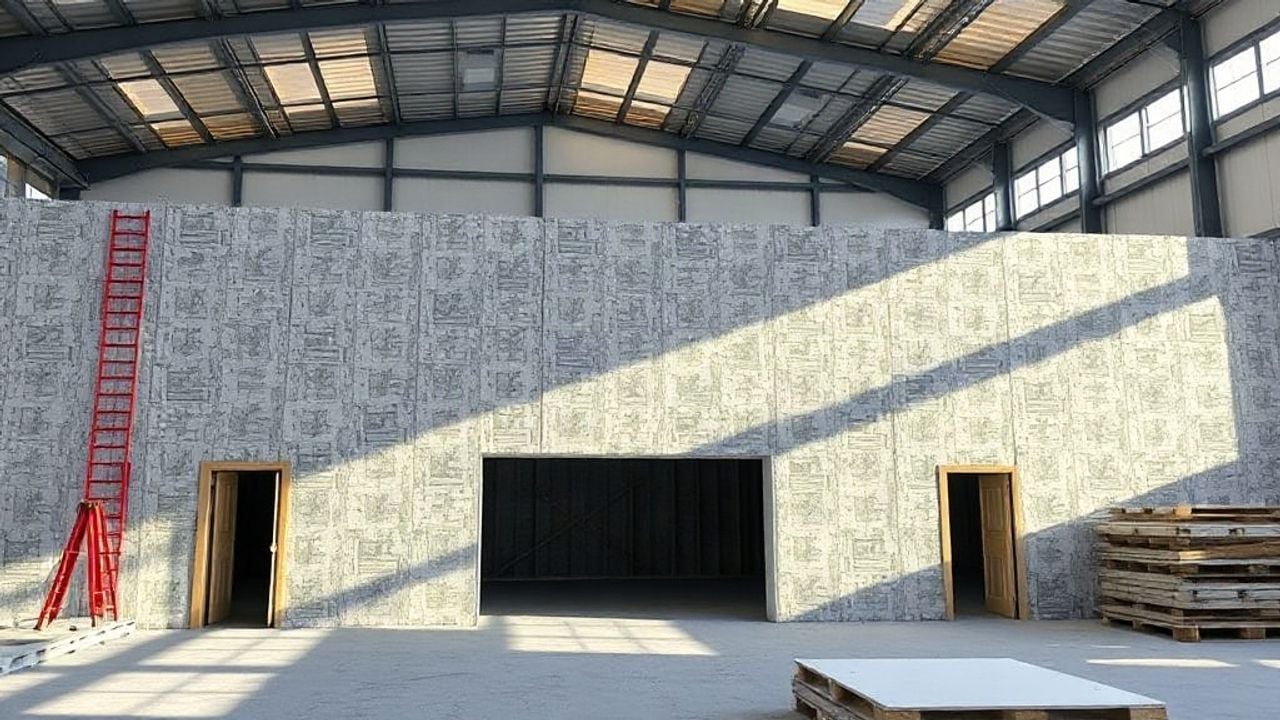 Lapeer Icf ManufactureLapeer Icf Manufacture
Understanding Insulated Concrete Forms (ICF)
Insulated concrete forms are innovative stay-in-place systems made with insulating materials, predominantly expanded polystyrene (EPS) foam insulation. When filled with concrete, these forms produce walls that deliver exceptional thermal insulation. A noteworthy benefit of ICF is its high R-value, which indicates the thermal resistance of the wall. Houses constructed with ICF tend to have lower energy expenses, making them easier to heat and cool efficiently, thus adding to their appeal for builders.
Benefits of Using ICF in Construction
The advantages of ICFs extend beyond just energy efficiency; they also enhance the structural strength of buildings. These forms are designed to withstand extreme weather conditions and strong winds, making them suitable for a range of climates. Furthermore, the integration of materials such as board insulation within ICF frameworks allows for the construction of thicker walls, thereby improving soundproofing and overall comfort in the living space. Many contractors lean towards ICF concrete forms due to the simplicity of their assembly and the consequent reduction in labor costs, which benefits every party engaged in construction. Those contemplating an ICF project are encouraged to investigate the different options available.
Choosing the Right Manufacturer for ICF
Selecting a manufacturer for ICF materials can be daunting given the number of options available. Key factors to consider include the company's reputation, product quality, and customer service. Researching online reviews and seeking recommendations from fellow contractors can provide insights into manufacturers' reliability and their ability to deliver on time. Additionally, inquire about their range of products, especially if you need specific types of ICF insulated concrete forms or foam board variants to suit your construction needs.
Estimating Costs of ICF Materials
The cost of insulated concrete forms can vary based on several factors, including material type and supplier pricing. On average, the cost may range from $2 to $6 per square foot for ICF, which includes the foam insulation and concrete. While initial costs might be higher compared to traditional wood houses, the energy savings over time can offset this investment. Furthermore, consider the expenses related to concrete contractors, as their rates will contribute to the overall budget for using ICFs effectively.
For an in-depth look at the cost dynamics of different building materials, refer to the article on construction materials.
Maximize Your Manufacturing Experience
Conduct thorough research to ensure you’re choosing the right ICF manufacturer and material for your construction needs.
- Look for manufacturers with a proven track record in the industry.
- Explore whether they provide warranties or guarantees on their products.
- Ask about bulk purchasing discounts or promotions.
- Ensure the manufacturer offers technical support for installation.
- Check if they have resources for energy efficiency calculations related to ICF walls.
In the construction sector, grasping the role of manufacturers, particularly in the realm of insulated concrete forms, plays a crucial part in making knowledgeable choices. Builders and homeowners can create energy-efficient and durable homes by prioritizing the quality of materials, overall costs, and the reputation of the manufacturer.
Investing time into researching various manufacturers and their products is vital in ensuring that your construction endeavors align with your specific requirements and budget.
When assessing a manufacturer, pay attention to tangible results, detailed reporting, and whether their methods align with your expected market outcomes and timeline. Be wary of vague promises that lack a clear measurement strategy.
Inquire about how progress will be monitored, what services are included or optional, and how the provider reacts when performance metrics, such as rankings or traffic, plateau. Establishing a written scope of work before any payment safeguards the interests of both parties.
Comments on “Why Foam Insulation is Essential for Home Comfort”